Carpet Cleaning Greeley CO to Extend Carpet Lifespan


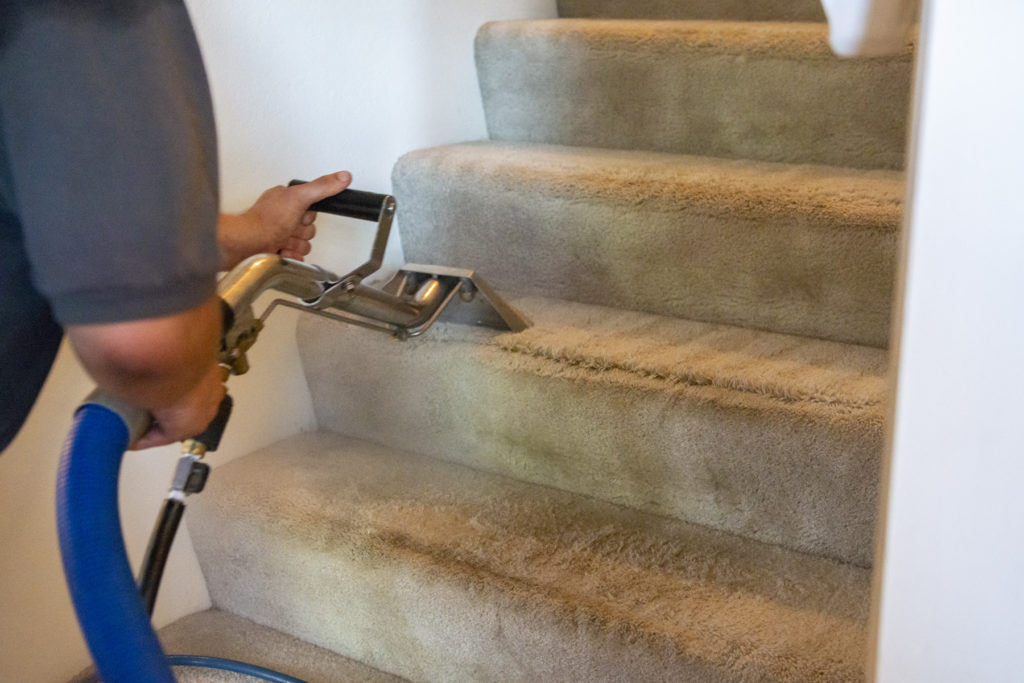
Carpet has a quiet way of shaping a home or workplace. It softens sound, adds warmth through Colorado winters, and makes bedrooms, offices, and living spaces feel finished. It also takes abuse every single day. Grit from sidewalks, dust from dry air, pet dander, spilled coffee, snowmelt, and oils from shoes all settle into the fibers. By the time a carpet starts looking tired, the wear has usually been building for months or years.
That matters in Greeley. Between wind, seasonal mud, dry conditions, and the traffic that comes with busy households and commercial spaces, carpet here works hard. Many property owners assume replacement is inevitable after a few years, but that is often not true. With the right maintenance, prompt spot treatment, and periodic deep cleaning, a quality carpet can last significantly longer than people expect. Carpet Cleaning Greeley CO is not just about appearance. Done properly, it is a practical way to protect a major flooring investment.
The key phrase there is done properly. A carpet can be cleaned in a way that restores it, or in a way that shortens its life. I have seen both. Overwetting, harsh detergents, skipped pre-vacuuming, and rushing dry times can leave residue, encourage wick-back, and wear down the backing over time. Good cleaning does the opposite. It removes abrasive soil, preserves texture, supports healthier indoor air, and helps fibers recover their resilience.
What actually wears carpet out
Most people think stains are the biggest enemy. They are not. Embedded soil is usually the real culprit.
Tiny particles of sand, dust, and mineral grit act like sandpaper underfoot. Every step presses them deeper into the pile and rubs them against the fibers. In hallways, family rooms, entryways, and office walk paths, that abrasion adds up fast. The damage may show first as dullness or matting rather than obvious dirt. By then, the fibers have already taken a beating.
In Greeley, this issue tends to be worse than many homeowners realize. Dry conditions can keep fine particles airborne and mobile. Then seasonal moisture brings in mud and slush that dry into gritty residue. If that residue is not removed thoroughly, routine foot traffic keeps grinding it into the carpet. A vacuum helps, but it has limits. Once soil binds to oily residues or packs down near the base of the pile, professional extraction becomes important.
Sun exposure can also age carpet, especially in rooms with large south-facing windows. UV light fades color and can weaken certain materials over time. Furniture compression, pet accidents, and repeated use of the wrong spot cleaners create another layer of stress. Yet among all these issues, abrasive soil remains the most common reason carpet loses its original look and feel before its time.
Why professional cleaning extends lifespan better than DIY alone
Store-bought carpet machines have their place. For a quick response to a fresh spill, they can be useful. They are not, however, a replacement for deep professional cleaning.
Most rental or consumer machines lack the heat, vacuum strength, and controlled water recovery needed for a true restorative clean. Some also leave carpets too wet or fail to remove enough detergent. Residue is a serious problem because it attracts fresh dirt faster. People often mistake this rapid re-soiling for poor carpet quality when the real issue is soap left behind in the fibers.
Professional cleaning methods vary, and so does quality, but a good service usually begins with inspection. The cleaner identifies fiber type, level of soiling, traffic patterns, spots, pet issues, and any risks related to dyes or backing. From there, the process should be adjusted to the carpet, not the other way around. That judgment matters. Synthetic carpet in a busy rental unit may need a different approach than wool carpet in a low-traffic formal room.
I have walked into homes where homeowners said, “We had it cleaned, but it never looked right afterward.” Often the problem was not that cleaning failed. It was that the carpet was over-shampooed, under-rinsed, or left wet too long. In a few cases, heavy traffic lanes had been scrubbed so aggressively that the texture was permanently distorted. Technique counts.
When people search for Carpet Cleaning Greeley CO, what they really need is not just someone with a machine. They need someone who understands soil suspension, extraction, chemistry, dwell time, agitation, and drying. Those details are what separate a cosmetic refresh from maintenance that truly extends the life of the Carpet Cleaning Greeley CO carpet.
The cleaning schedule that makes sense in real homes
There is no honest one-size-fits-all schedule. A retired couple with no pets and strict shoe removal habits can go longer between professional cleanings than a family of five with a dog, teenagers, and a backyard that turns muddy in spring.
Still, some patterns are reliable. In many homes, once a year is the bare minimum if the goal is lifespan, not just presentation. Twice a year is common for active households. High-traffic commercial areas may need quarterly service, sometimes more. Waiting until the carpet looks dirty is usually too late, because by that point the abrasive soil load is already high.
A useful way to think about it is this: the right cleaning interval is the one that prevents visible traffic lane deterioration, not the one that reacts to it after the damage appears.
These situations usually justify more frequent professional cleaning:
- homes with pets, especially older pets or multiple animals
- children who play on the carpet daily
- busy entryways and open-plan living areas
- allergy-sensitive occupants
- rental turnovers or occupied commercial spaces
That does not mean every room needs the same schedule. Bedrooms may hold up beautifully while a family room starts matting around the sofa and television area. A good cleaner will often point that out and suggest targeted maintenance rather than overselling whole-house service every time.
Vacuuming is still the first line of defense
Professional cleaning matters, but vacuuming does more day-to-day work than anything else. If carpet is an investment, vacuuming is basic asset protection.
The biggest mistake I see is frequency. The second biggest is speed. People often vacuum quickly over the center of the room and assume that is enough. It is not. Soil accumulates most heavily near entries, in turns, along pathways, around beds, and in front of seating. Those areas need slower, overlapping passes to lift dry soil before it settles deeper.
A vacuum with a well-maintained beater bar or brush roll can make a noticeable difference on many cut pile carpets, though settings should be adjusted to avoid excess fuzzing or wear. Bagless machines are convenient, but once filters clog or the canister overfills, performance drops. A high-end machine used carelessly can underperform a modest one used correctly.
For homes in Greeley, where fine dust can be persistent, the best results usually come from consistent routine rather than occasional heroic cleaning sessions. Two thoughtful vacuumings a week in busy areas often preserve appearance better than one rushed pass after things already look bad.
Spots, spills, and the mistakes that set stains for good
Most permanent stains begin as temporary spills handled poorly.
The common instinct is to scrub. That drives contamination deeper, roughs up the pile, and spreads the stain outward. Another mistake is using a strong cleaner without testing it, or combining products in ways that leave residue or alter the carpet dye. Bleach, high-pH degreasers, and heavily fragranced spotters cause more damage than many people realize.
Blotting is usually the better first move. A white towel, gentle pressure, and patience beat frantic rubbing almost every time. The goal is to transfer material out of the carpet, not force it down. For solids, lift first. For liquids, blot from the outside in. Then use the least aggressive cleaning option that makes sense for the spill.
Pet accidents deserve special attention. If urine reaches the pad or subfloor, surface cleaning alone may remove the spot while leaving odor compounds behind. That is why some homes smell fine right after a DIY treatment, then develop a musty or sour odor days later, especially in warm weather. Enzyme-based treatment or professional subsurface extraction may be needed. Ignoring that early often turns a manageable issue into a replacement decision later.
Red drinks, coffee, cosmetics, cooking oils, and tracked-in asphalt sealer each behave differently. Good cleaners do not treat them all the same way. This is another reason Carpet Cleaning Greeley CO should be approached as a skilled service, not a commodity purchase.
Hot water extraction, low-moisture methods, and when each makes sense
There is a lot of confusion around cleaning methods. Some companies present one method as universally superior. Real-world results are more nuanced.
Hot water extraction, often casually called steam cleaning, is widely recommended by carpet manufacturers because it can flush out deep soil effectively when performed correctly. Preconditioning, proper agitation, controlled water use, and strong extraction are what make it work. It is especially effective for restorative cleaning in homes with heavy soil load, pet issues, or traffic lane buildup.
Low-moisture methods can also be excellent, especially where quick dry times matter. In commercial settings, offices, and lightly to moderately soiled carpet, encapsulation or other low-moisture systems may offer practical advantages. They can reduce downtime and maintain appearance between deeper cleanings. The catch is that they are not always enough for carpets burdened with embedded grit, oils, or contamination below the surface.
Bonnet cleaning can improve appearance quickly, but if used as the only method over time, it may not remove enough deep soil. That is not a knock on the method itself. It simply has a different role. The problem comes when customers are promised deep restoration and receive only a surface clean.
Good judgment means matching the method to the carpet’s condition, fiber type, and use. If a cleaner insists there is only one right answer for every room in every building, that is usually a sign to ask more questions.
Dry time is more important than many people think
People tend to focus on how the carpet looks right after cleaning, but dry time is just as important to long-term performance. Carpet that stays damp too long can wick stains back to the surface, hold odors, and in some cases affect the backing or pad. It can also become a magnet for fresh soil if walked on before it is ready.
A properly cleaned carpet should be damp, not soaked. Air movement matters. Ceiling fans, HVAC circulation, open windows when conditions allow, and dedicated air movers all help. Humidity and temperature play a role, too. Dry Colorado air can help with drying, but only if the carpet was not overwet in the first place.
I have seen living rooms cleaned in the morning and comfortably dry by late afternoon. I have also seen carpets still wet the next day because the technician used too much solution and poor extraction. That difference is not trivial. Drying efficiency is a sign of technical control.
The hidden value in protecting warranty and resale condition
Carpet cleaning is often treated as a cost, but it is more accurate to think of it as deferred replacement management. Wall-to-wall carpet Carpet Cleaning Greeley CO is expensive to replace once you factor in padding, furniture moving, disposal, and installation. Extending the usable life by even a few years can represent real savings.
There is also the issue of warranty compliance. Many carpet manufacturers recommend regular professional cleaning at set intervals and may ask for records if a claim is ever filed. Homeowners do not always think about this until a texture retention or manufacturing issue appears. By then, missing maintenance records can be a problem.
For sellers, carpet condition can influence the feel of the entire property. Even when buyers know they may eventually update flooring, dingy or odorous carpet changes how they experience the home. Fresh, well-maintained carpet signals that the property has been cared for. In rental housing, clean carpet can reduce complaints, support faster turnover, and improve perceived value.
What to ask before hiring a carpet cleaner in Greeley
Price matters, but cheap cleaning often becomes expensive later. A low quote may mean rushed labor, minimal soil removal, hidden add-ons, or a method that makes the carpet look better for a week and worse after that.
Instead of starting with price alone, ask practical questions that reveal process and competence.
- What cleaning method do you recommend for my carpet, and why?
- Do you pre-vacuum, pre-treat traffic areas, and rinse thoroughly?
- How long should drying take under normal conditions?
- Are your spot treatments and deodorizers included or extra?
- Can you explain how you handle pet odor if the contamination has reached the pad?
Those answers tell you a lot. Clear, direct responses are a good sign. Vague promises like “our system cleans better than steam” without explaining soil removal, chemistry, or dry time are less reassuring.
Local experience also matters. A technician who regularly handles homes and businesses in Greeley is more likely to understand the soil conditions common here, from wind-blown dust to winter entryway slush. That context affects preconditioning, filtration line treatment, and the amount of extraction needed in high-traffic spaces.
Carpet type changes the maintenance strategy
Not all carpet fibers age the same way. Nylon is durable and resilient, which is one reason it remains common in busy households. Polyester can offer rich color and softness, but may show crushing differently depending on construction. Olefin resists moisture well but can attract oily soil. Wool is beautiful and durable in its own right, though it demands more careful chemistry and moisture control.
Construction matters, too. Dense loop pile in a basement office behaves differently from plush cut pile in a formal living room. Berber styles can hide some soil while snagging or wearing in other ways. Patterned carpets may disguise traffic lanes until the texture itself changes.
This is where experience earns its keep. A cleaner should be able to look at the carpet and tell you what kind of wear is reversible, what is cosmetic, and what is actual fiber damage. That distinction helps set realistic expectations. Cleaning can remove soil and improve texture to a point, but it cannot reverse severe pile distortion or sun fading.
Still, carpets that seem “worn out” are often just heavily loaded with soil and residue. I have seen traffic lanes brighten considerably after a careful restorative clean, especially where previous maintenance was inconsistent but the fiber itself remained sound.
Simple habits that add years to carpet life
Professional cleaning works best when it is part of a broader maintenance approach. Small habits often have outsized effects over time. Entry mats catch a surprising amount of grit before it reaches the carpet. A no-shoes policy in the main living areas can dramatically reduce abrasion. Moving furniture slightly from time to time changes wear patterns and gives compressed areas a chance to recover. Prompt attention to spills prevents residue from bonding with soil.
One of the most overlooked habits is protecting entry points during bad weather. In snow or rain, moisture at the door does not only create spots. It helps dirt migrate deeper and dry into stubborn, abrasive residue. A longer absorbent mat inside the door can do more good than people expect.
Routine matters more than perfection. A household that vacuums consistently, handles spills calmly, and schedules professional cleaning before the carpet looks obviously dirty will almost always get better longevity than one that relies on occasional intensive cleanups.
Why local conditions in Greeley make maintenance worth taking seriously
Greeley presents a mix of challenges that is easy to underestimate if you only look at the carpet from standing height. Agricultural dust, open-space wind, snowmelt, spring mud, and dry indoor air create a cycle where soil enters often and settles deeply. Add pets, children, or commercial foot traffic, and the burden rises quickly.
That is why Carpet Cleaning Greeley CO should not be viewed as a once-in-a-while cosmetic service. It is part of routine building maintenance, much like servicing an HVAC system or sealing exterior surfaces. Carpets last longer when the local environment is accounted for, not ignored.
The upside is that maintenance usually pays off. Clean fibers resist matting better. Rooms smell fresher. Allergens and dust are reduced. Traffic lanes stay presentable longer. Most important, replacement can often be delayed, sometimes by several years, when cleaning is done regularly and correctly.
Carpet does not fail all at once. It declines a little at a time through abrasion, residue, neglect, and poor cleaning choices. The good news is that those causes are manageable. With disciplined vacuuming, smart spill response, and professional care tailored to actual conditions, carpet can keep its comfort, appearance, and function far longer than many people assume. In a place like Greeley, that is not just good housekeeping. It is sound asset management.
TLC Carpet & Air Duct Cleaning
6380 W 10th St, Suite 7
Greeley, CO 80634
(970) 352-8176
FAQ About Carpet Cleaning Greeley CO
How much should a carpet cleaner cost in Greeley?
Pricing depends on the number and size of rooms, carpet condition, and add-ons such as stain treatment or stairs. Ask for an itemized quote.
How long will my carpet take to dry after cleaning?
Drying time varies with the carpet, cleaning method, humidity, and airflow. Ask the technician for an estimate and when to move furniture back.
How do I prepare my home for carpet cleaning?
Pick up small items, clear a path for equipment, and point out stains or delicate fibers. Ask the cleaner which furniture they can move and what needs to be moved before the visit.